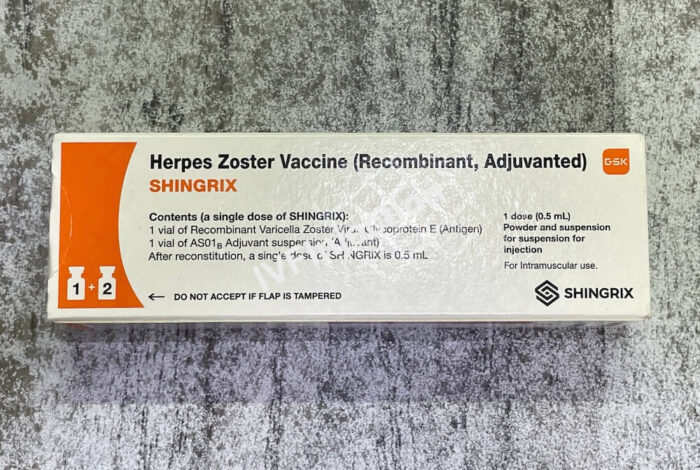
Shingrix is a vaccine that helps protect adults from shingles. Shingles is also called herpes zoster. It is a painful skin rash that comes from the same virus that causes chickenpox. The virus sleeps inside nerves for many years and can wake up later in life as shingles.
Now, this vaccine is a non live, recombinant vaccine. That means it does not contain live virus. It has a small piece of the virus protein plus a special adjuvant that makes the immune system wake up strong.
Who should take Shingrix vaccine
It is prescribed to:
- Adults 50 years and older who had chickenpox before and you are diabetic
- Adults from 18 years who have weak immune system or high risk of shingles (for example cancer, transplant, HIV, some strong medicines)
Your doctor may suggest this vaccine in case:
- You already had shingles once and do not want it again.
- You want to avoid long term pain called post herpetic neuralgia.
- If you have diabetes and had suffered from chickenpox in you childhood.
- You are starting treatment that will lower your immunity.
- Shingrix is not used in small children. It is also not routine in pregnancy.
How Shingrix vaccine schedule?
Shingrix is given as an intramuscular injection, usually in the upper arm muscle.
Basic schedule:
Dose 1: day 0
Dose 2: 2 to 6 months after first dose
For some people with very weak immunity, doctor can choose shorter gap of 1 to 2 months between doses so they get protection early. Each dose is 0.5 ml. It is a 2 dose series. Right now booster after that is not clearly fixed. Protection looks strong for at least 10 years in current data.
How does Shingrix vaccine work?
Shingrix contains a piece of the zoster virus protein plus an adjuvant system. Together they train our immune system in two ways.
- B cells make strong antibodies against shingles virus
- T cells become active and ready to attack virus hiding in nerves
Because of this double action, Shingrix shows high protection against shingles and in many age groups, even above 70 years where other vaccines work less. Large trials show more than 90 percent efficacy against shingles and similar strong protection against Postherpetic Neuralgia (nerve pain caused by shingles) in adults above 50.
Side effects
Because Shingrix works with the immune system strongly, mild side effects are common. Most last 2 to 3 days:
- Pain at injection site
- Redness or swelling on arm
- Tired feeling
- Muscle pain
- Headache
- Mild fever or chills
- Upset stomach or nausea
Some people feel not well enough for normal work for one or two days. This is uncomfortable but it also shows immune system is reacting. You should still complete the second dose even if you had these reactions after first dose.
Rare serious reactions like severe allergy are possible with any vaccine but are very uncommon.
Other Information
- Store Shingrix in fridge between 2 and 8 degree Celsius
- Do not freeze.