

What is Tacrocord 1mg capsule?
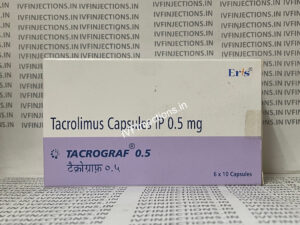
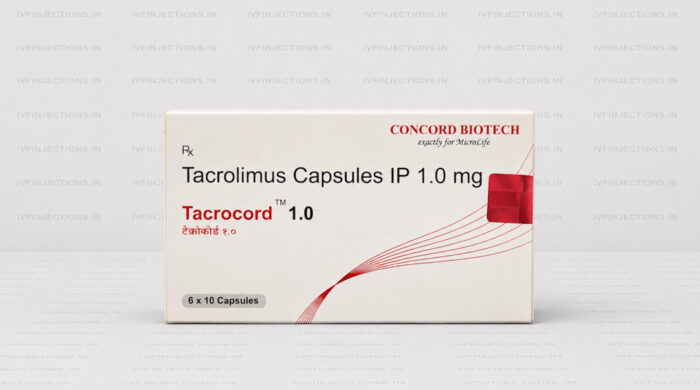
Tacrocord 1 mg Capsule is prescribed to keep that immune attack from happening. It contains Tacrolimus 1mg as its active ingredient and is made by Concord Biotech Ltd. This immunosuppressant comes as a capsule rather than an injection, and is used specifically in people who have received a kidney, liver, or heart transplant.
A new kidney, liver, or heart brings relief after months of waiting. But the body’s own defence system doesn’t know that. To the immune system, a transplanted organ looks like an outsider. Left unchecked, the immune system will attack the new organ the same way it fights an infection. This is organ rejection, and it’s the biggest risk in the weeks and months after any transplant surgery.
What is Tacrocord 1 mg Capsule used for?
Transplant teams prescribe this capsule to stop the immune system from rejecting a newly transplanted organ. It isn’t used for a range of different illnesses. Its role stays focused on transplant care.
- Preventing rejection after a kidney transplant
- Preventing rejection after a liver transplant
- Preventing rejection after a heart transplant
- Used alongside other anti-rejection medicines as part of a combined treatment plan
- This medication is also used in many autoimmune diseases.
How does Tacrolimus keep the new organ safe?
The immune system relies on cells called T-cells to identify and destroy anything it sees as foreign. Tacrolimus works on these T-cells directly. It blocks a chemical signal inside the T-cell that would normally tell it to multiply and attack.
Without that signal, the T-cells stay quiet instead of mounting a response against the transplanted organ. This calms down the immune reaction without shutting the immune system off completely. That’s why transplant patients on this drug can still fight off everyday infections, just not as strongly as before. The result: an organ that settles into the body without being treated as a threat.
How long does treatment with Tacrocord 1 mg Capsule go on?
Anti-rejection treatment after a transplant is not short-term. Most transplant patients stay on tacrolimus for life, since the rejection risk never fully disappears even years after surgery. Doses are usually higher in the first few months after the transplant, when rejection risk is at its peak. They get adjusted downward once the body settles. Any change in dose, or a switch to a different anti-rejection drug, is decided by the transplant team based on blood test results. The patient doesn’t make this call alone.
Who should avoid this medicine?
- People with a known allergy to tacrolimus or to other drugs in the same class
- Patients with active, untreated infections the immune-calming effect can let infections spread further
- Anyone taking certain antifungal or antibiotic drugs without the transplant doctor’s knowledge, since these can raise tacrolimus levels in the blood to unsafe amounts
- Patients with uncontrolled high blood pressure or existing kidney disease that has not been reviewed by the transplant team
- Pregnant women, unless the transplant specialist has specifically approved continuing treatment
- Anyone due for a vaccination with a live vaccine while on this drug
Blood levels of tacrolimus need regular checking. The gap between a dose that works and a dose that harms the kidneys is narrow.
How to store?
- Keep the capsules at room temperature, away from direct sunlight and away from bathroom shelves where humidity builds up.
- Store them in the original blister strip until it’s time to take one.
- This keeps moisture out.
- Avoid transferring capsules into a different container or pillbox for long periods.
Side effects
Most people on tacrolimus notice some side effects, especially in the first few weeks. Common ones include:
- Headache
- Tremor or shaky hands
- Diarrhoea or an upset stomach
- Difficulty sleeping
- Raised blood pressure
- Tingling or numbness in hands and feet
- High blood sugar levels
- Reduced kidney function over time
Chest pain, breathlessness, swelling around the transplant site, or fever with chills need emergency medical attention right away. These signs can point to infection or early signs of organ rejection.